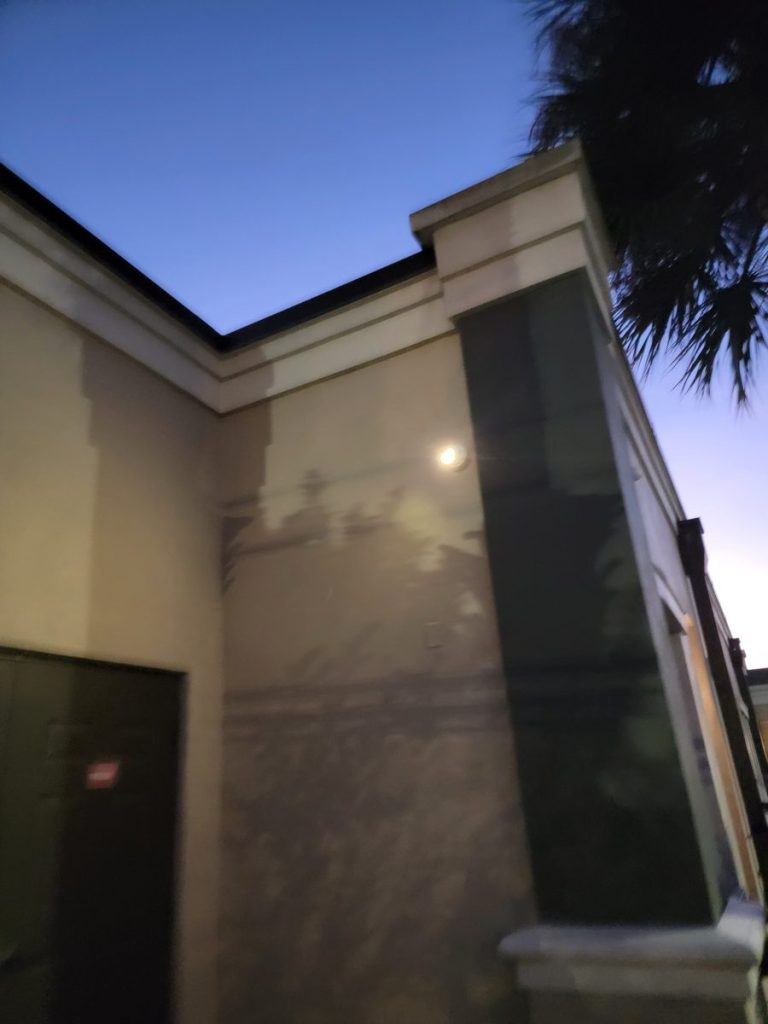
That bright pop of a floodlight at night can feel comforting—when it’s aimed at your own driveway. However, if it splashes into a neighbor’s bedroom window at 1:00 a.m., it stops feeling like “security” and starts feeling like “why is your house yelling at mine?”
In Tarpon Springs, motion lighting is one of the easiest upgrades for safer walkways, better camera footage, and stronger curb-side deterrence. Still, the best setups stay polite. You can absolutely have both: safety and good neighbor vibes. They light the right place, at the right time, for the right reason.
Below is a practical guide to motion lighting that boosts security without annoying the people next door—especially if you’re planning a lighting installation in Tarpon Springs, FL.
Start with zones, not “light the whole yard”
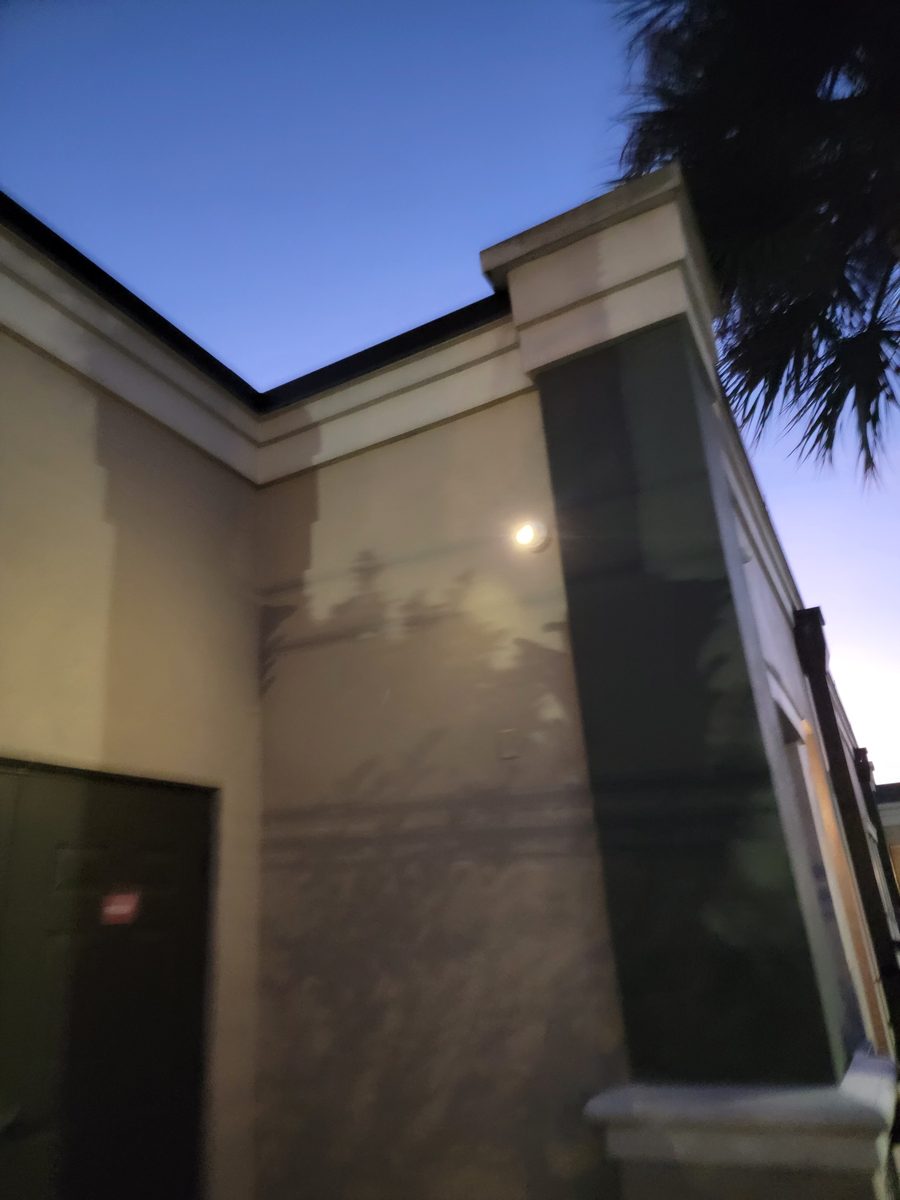
Before you buy anything, take a slow lap around your home after sunset. Notice the shadows and ask yourself:
- Where would someone try a door handle unseen?
- Where do you walk in the dark?
- Where do packages land?
Importantly, motion lights work best when they solve specific problems. If you try to light everything, you usually create glare and false triggers. Instead, think in zones: front steps, driveway, side gate, back patio, and the path to the bins. When you plan a lighting installation in Tarpon Springs, FL this way, each light has a job—and fewer lights end up bothering anyone.
Pick the right fixture for each zone
Mixing fixture types often works better than one giant flood:
- Downward-facing sconces for entries and side doors
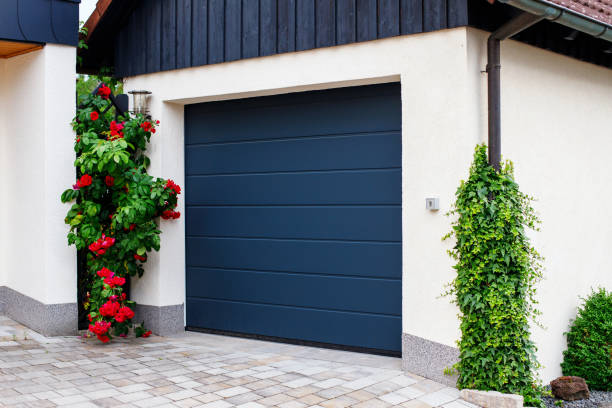
- Adjustable floods under eaves for driveways and back corners
- Low path lights for walkways and landscaping edges
- Smart fixtures if you want schedules, dimming, and phone control
Therefore, a well-planned lighting installation in Tarpon Springs, FL usually uses multiple smaller lights aimed precisely, rather than one “blast” light.
Control glare first, then add brightness
The neighbor-friendly rule is simple: aim the light down, not out. Glare is what irritates people most. It’s that harsh “I can see the bulb from my couch” feeling. Luckily, you can reduce glare without losing security.
- Choose fixtures with a hood/shield (often called “full cutoff” or “dark-sky friendly”).
- Angle heads downward so the hot spot lands on the ground, not the horizon.
- Mount at a sensible height so the beam doesn’t spill wide.
Additionally, avoid placing a bright fixture directly opposite a neighbor’s window. Even if your yard is big, line-of-sight matters.
Choose a warmer LED color
Many people grab “daylight” LEDs (cool, blue-ish) because they look bright in the box. However, cool light feels harsher and tends to look intrusive.
For homes, warm white (often around 2700K–3000K) is easier on the eyes while still giving clear visibility for cameras and walking paths.
Tune motion sensors so they trigger less, but matter more
If your lights flip on every time a cat strolls by, you’ll get frustrated fast—your neighbors will, too. The fix is dialing in the sensor like you’re tuning a radio, which is a key step in any lighting installation in Tarpon Springs, FL if you want fewer false alarms.
Adjust in this order:
- Sensitivity: lower it until it stops reacting to “nothing,” then nudge it up slightly.
- Range: shorten it so it watches your property line, not the sidewalk.
- Aim/angle: point the sensor toward approach paths (driveway, gate) instead of open space.
Importantly, many sensors detect heat movement, so cars and pets can cause triggers. When possible, aim the sensor across the approach path instead of straight at the street.
Timing settings that keep the street calm
A motion light that stays on too long can feel like a spotlight. Meanwhile, one that shuts off too fast is annoying for you. Aim for a middle:
- Entry doors: 60–120 seconds
- Driveways: 1–3 minutes
- Backyard corners: 30–90 seconds
Also, consider “dim-to-bright” lighting so your home doesn’t jump from pitch-black to blinding.
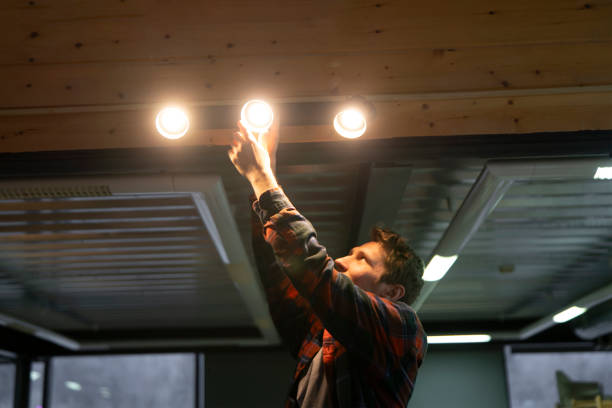
If you’re unsure about safe wiring or dimming loads, this is where a professional lighting installation in Tarpon Springs, FL can prevent headaches later. Even better, a pro can position fixtures so the beam stays on your property.
Add security value without waking the block
Motion lighting works best as part of a larger security plan. In other words, light should support cameras, locks, and daily habits.
Neighbor-friendly upgrades that add protection:
- Layered lighting: smaller lights in multiple areas instead of one ultra-bright fixture
- Smart schedules: keep a gentle “evening mode,” then rely on motion after bedtime
- Camera pairing: light what your cameras see, without washing out faces
- Quiet-hour rules: after midnight, lower brightness or shorten the “on” time
A neighbor test you can do tonight
After installing or adjusting, test the setup from outside your home:
- Walk the route a visitor would take.
- Step back toward the sidewalk or street and ask: “Can I see the bulb, or does it spill into windows?”
If yes, tilt it down a few degrees. Surprisingly, small changes make a big difference.
If you can, ask your neighbor if anything feels too bright.
Common mistakes that cause complaints
Most “annoying” motion lights aren’t installed out of spite—they’re installed quickly. Avoid these traps:
- Going for max lumens instead of better aiming and shielding
- Pointing lights outward to “cover more” instead of down and inward
- Letting sensors watch the street instead of your approach paths
- Using cool, blue-ish LEDs instead of warm white
- Ignoring outdoor ratings and wiring limits (weather and safety matter)
Therefore, treat this like a system: zones, glare control, smart sensor tuning, and proper installation. That “system mindset” is exactly why many homeowners choose professional lighting installation in Tarpon Springs, FL instead of a quick DIY guess.
Wrap-up: safer nights, happier neighbors
Good motion lighting feels like a helpful friend. It guides your steps, discourages trouble, and supports your cameras—without blasting the neighborhood. Want help choosing fixtures, placing them correctly, and dialing in neighbor-friendly settings? Book a consultation with Time On Target Pro Security, and let’s build a motion lighting plan that fits your property.